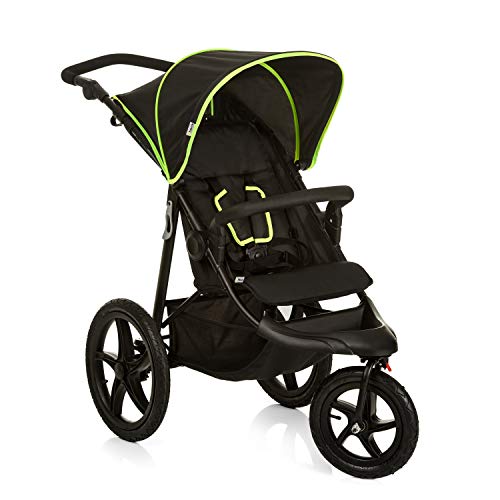
The Comprehensive Guide to Prams and Pushchairs: Choosing the Right Option for Your Family
When getting ready for a brand-new arrival, expectant moms and dads frequently find themselves overwhelmed with a wide range of options. One of the most critical decisions involves choosing the right mode of transportation for their baby: the pram or the pushchair. Although these two terms are often utilized interchangeably, they serve different functions and include special features. This guide will explore the distinctions, advantages, and factors to consider for both prams and pushchairs, helping moms and dads make a notified decision.
Understanding Prams and Pushchairs
Prams and pushchairs are created to carry infants and young children, but they have unique attributes. Below is a breakdown of each:
| Feature | Pram | Pushchair |
|---|---|---|
| Designed for | Newborns to around 6 months (flat-lying position) | Infants and young children (sitting position) |
| Seating configuration | Full recline (flat position) | Reclining or upright seat |
| Weight | Usually much heavier due to strong building | Usually lighter and more compact |
| Foldability | Less compact; might not fold easily | Typically includes a more compact folding mechanism |
| Kind of wheels | Larger, more robust wheels for rough surface | Smaller sized wheels, often created for urban usage |
The Advantages of Prams
For parents of newborns, prams use a number of significant advantages:
- Suitable for Newborns: The flat-lying position supports healthy spinal advancement.
- Comfort: Prams are designed to provide a comfy, snug environment for babies.
- Storage Space: Many prams come equipped with large storage baskets for diapers, baby bottles, and individual products.
- Adaptability: Some designs enable a carrycot attachment, making it simpler to shift from strolling to the cars and truck without disturbing the baby.
Popular Pram Models
| Model | Key Features | Cost Range |
|---|---|---|
| Bugaboo Cameleon 3 | Personalized, multi-terrain abilities | ₤ 900 - ₤ 1,400 |
| Silver Cross Wayfarer | Standard style, luxury fabrics | ₤ 800 - ₤ 1,200 |
| UPPAbaby Vista | Expandable for several children | ₤ 1,000 - ₤ 1,200 |
The Advantages of Pushchairs
Pushchairs, likewise described as strollers, are favored by parents of older babies and toddlers for the following reasons:
- Lightweight and Portable: Most pushchairs are developed for simple transportation, making them perfect for metropolitan environments.
- Easy Folding Mechanism: Many contemporary pushchairs can be easily folded with one hand, which is convenient for parents on the go.
- Adaptability: Many pushchairs use adjustable seating positions, permitting toddlers to sit upright or recline as needed.
- Maneuverability: Pushchairs frequently include swivel wheels, making them easier to browse through crowded locations.
Popular Pushchair Models
| Model | Secret Features | Price Range |
|---|---|---|
| Baby Jogger City Mini | Compact fold, all-terrain wheels | ₤ 250 - ₤ 400 |
| Britax B-Lively | Lightweight, travel system compatible | ₤ 200 - ₤ 300 |
| Maxi-Cosi Zelia | Modular design with carrycot choice | ₤ 600 - ₤ 800 |
Making the Right Choice
When choosing a pram or pushchair, several aspects need to be thought about:
- Lifestyle: Families who prepare to browse through busy streets or public transportation might prefer a lightweight pushchair. On the other hand, those who delight in outside activities may discover a pram more advantageous.
- Storage and Space: Assess the available area for storage. If a compact option is required, a pushchair may be better fit.
- Spending plan: Prices can vary substantially in between models, so consider what features are important versus what is merely desirable.
- Resilience: Investing in a higher-quality model might be more affordable in the long run if you plan to have more kids.
Additional Features to Consider
| Function | Why It Matters |
|---|---|
| Sun Canopy | Secures your kid from harmful UV rays |
| Adjustable Handlebar | Accommodates parents of differing heights |
| Suspension System | Makes sure a smoother ride over bumps and uneven surface |
| Security Harness | Keeps the kid securely strapped in |
Often Asked Questions (FAQ)
Q1: Can I utilize a pushchair for a newborn?
A: While some pushchairs are developed with a reclining function suitable for newborns, it is generally suggested to utilize a pram or a carrycot accessory for optimal spine support in babies.
Q2: How long can I use a pram or pushchair?
A: Prams are typically appropriate for infants up to 6 months or up until they can sit up unassisted. Pushchairs can be used for several years, depending upon the weight limitation of the design.
Q3: Is a travel system worth it?
A: A travel system, which combines a safety seat and a pushchair, can provide benefit, especially for parents who often shift in between car travel and walking.
Q4: What maintenance is required for prams and pushchairs?
A: Regular cleansing and looking for wear on wheels and harnesses is important. Constantly describe the producer's standards for particular maintenance guidelines.
Q5: Are there eco-friendly choices available?
A: Yes, there are brands that focus on sustainable materials and making processes, which deal with ecologically mindful consumers.
The option in between a pram and a pushchair ultimately depends on a household's particular requirements and lifestyle. Comprehending the distinctions, benefits, and factors to consider for both choices can assist moms and dads browse this important choice. Whether you select the comfort and classic style of a pram or the lightweight, useful functions of a pushchair, purchasing a high-quality model will make sure that your precious freight is transferred securely and comfortably for years to come. Delighted parenting!